
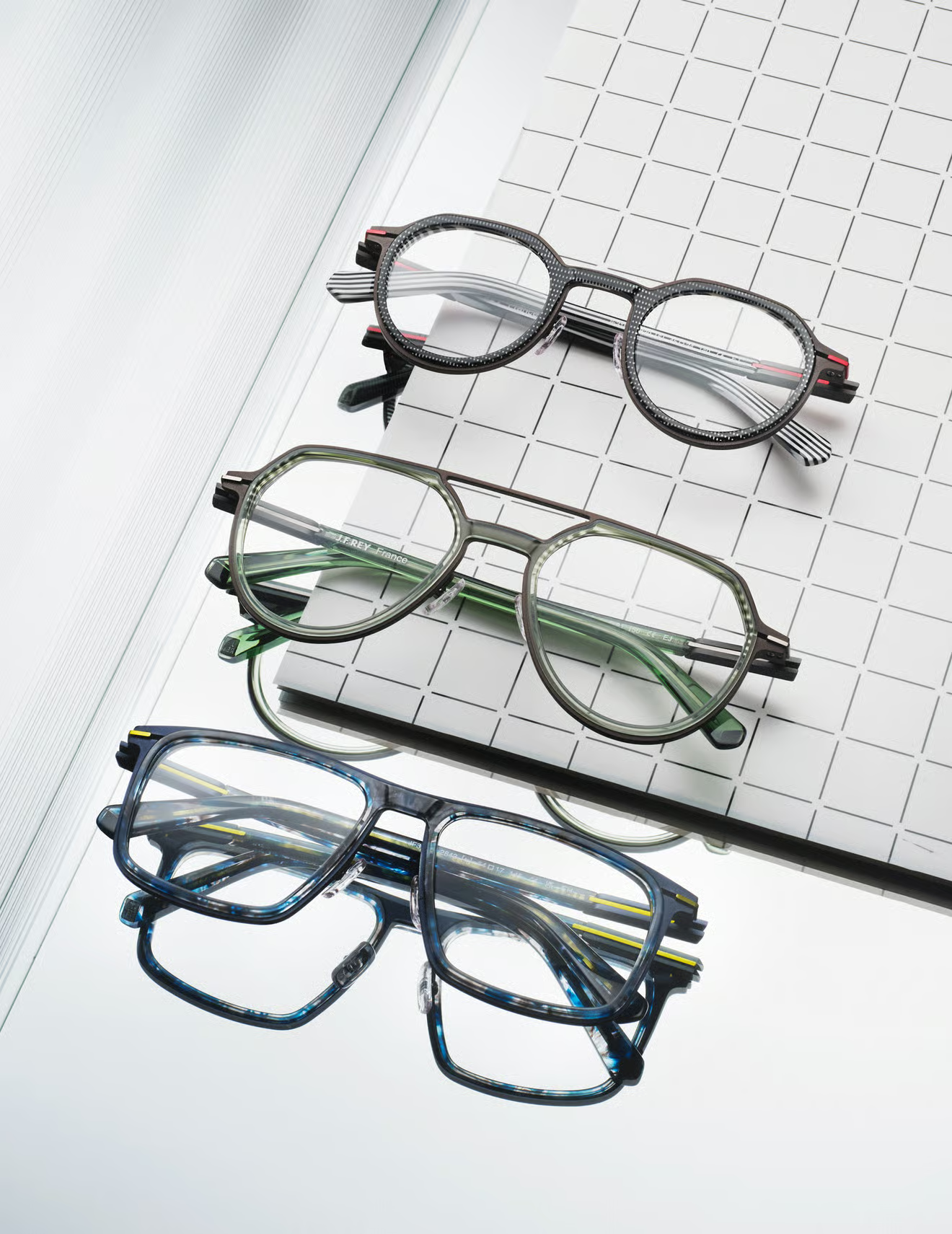
A hinge is usually invisible by design. On most frames, it is meant to work quietly in the background. With J.F. Rey SLEDGE, that hidden point of stress becomes part of the frame identity.
A FAVR/SPECTR feature published on June 1, 2026, looks at the collection through that lens: patented, screwless flex technology integrated into the temple and treated as a design element, not just a mechanical solution.
That is the interesting part of SLEDGE. The collection does not ask the hinge to disappear. It gives the mechanism shape, color, texture, and a reason to be noticed.
The Hinge As A Design Element
The hinge is one of the hardest-working parts of a frame. It handles opening, closing, adjustment, and daily wear. Most of the time, that work is hidden behind a familiar construction.
SLEDGE changes the emphasis. The flex function is concealed inside the temple, but the temple itself is shaped so the mechanism becomes part of the visual line. The result is technical without looking overbuilt.
That restraint matters. The collection is not trying to make a small mechanical part feel dramatic for its own sake. It is showing how J.F. Rey can use engineering as another layer of design.
Engineering You Can Feel
In the FAVR/SPECTR interview, the J.F. Rey team describes the hinge as a demanding construction that required careful control of friction between moving parts. Shapes, contact points, and small reliefs were refined so the movement would feel smooth and responsive.
Those details are subtle, but they are exactly the details that separate a considered frame from a frame that simply looks technical. The value is felt in the opening and closing motion, the stability of the temple, and the way the flex is integrated rather than added on.
A Material Story With Contrast
SLEDGE uses Grade 5 titanium, surgical stainless steel, carbon fiber, and plant-based acetate across different constructions. The mix gives the collection a clear tension between precision and tactility.
Titanium brings lightness and clean technical lines. Acetate brings volume, depth, and color. Carbon fiber and steel add a performance note without pushing the frame into a purely sporty language.
The most compelling pieces are the ones where those materials do not compete. They frame the hinge story and let the construction feel intentional from front to temple.
The Satin Finish
The source feature also points to the satin, mineral-like finish created through sandblasting. It softens reflection, adds microtexture, and makes the angles of the frame easier to read.
That kind of finish is quiet, but it does a lot of work. It keeps the metal from feeling flat and gives the frame a more precise, almost architectural surface.
Color With A Mechanical Role
J.F. Rey is known for color, but SLEDGE uses color with more discipline. Contrast appears along the integrated temple line and around the hinge area, so the color is tied to construction instead of applied as decoration.
That makes the collection easier to understand at a glance. The color points to the mechanism. It gives the technical detail a visual rhythm.
Where SLEDGE Belongs
SLEDGE feels most natural in the part of the assortment reserved for frames with a point of view. It is not only a titanium story, not only an acetate story, and not only a color story. It sits between all three.
For an independent optical retailer, that balance is useful because the frame can be presented through design first and technical detail second. A patient may notice the color or shape, then discover the hinge once the frame is in hand.
Villa View
Villa Eyewear represents J.F. Rey in the United States because the brand brings a specific kind of energy to an independent optical assortment: French color, technical curiosity, and frames that do not feel interchangeable.
SLEDGE is a good example of that position. It is inventive, but not built around novelty for its own sake. The hinge is patented and technical, but the larger impression is still design-led.
For stores carrying J.F. Rey, this is the kind of collection that rewards a closer look. The story is in the temple, the finish, the material contrast, and the way the frame moves in the hand.
Closing Takeaway
J.F. Rey SLEDGE is strongest when it is understood as a design system, not only a flex hinge. The mechanism matters because it changes the shape, feel, and identity of the frame.
That is what makes the collection worth paying attention to: it turns a hidden working part into something visible, considered, and distinctly J.F. Rey.
Talk with Villa about how J.F. Rey SLEDGE fits within the current J.F. Rey collection.